History of Clontarf Rehabilitation Hospital
Clontarf Rehabilitation Hospital was founded as the Dublin Orthopaedic Hospital in 1876 by Dr Robert Lafayette Swan. Since then, the hospital has grown from a private house on Dublin’s Quays, accommodating 6 beds, through further expansions in Great Brunswick Street (accommodating 35 beds) and Upper Merrion Street (accommodating 75 beds), to a 160-bed facility in its now permanent home in Clontarf since 1942.
Much has changed over the last 150 years, but exceptional person-centred rehabilitation has always been central to the care we provide to the communities we serve.
Milestones
1876
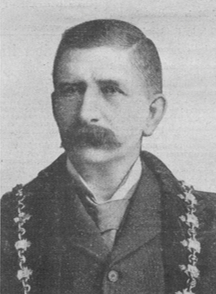
Hospital founded by Dr Swan – Children’s Orthopaedic Surgery
Dr. Robert Lafayette Swan was deeply moved by the lack of specialist orthopaedic facilities for Dublin’s impoverished children. His vision was to provide surgical care for conditions like clubfoot, rickets, and spinal diseases to those who could not afford it. In 1876, he set up a hospital and initially operated out of his own home on Usher’s Island, making it a completely volunteer-run and donation-dependent Hospital to ensure accessibility.
1899
Incorporated as The Dublin Orthopaedic Hospital
The Dublin Orthopaedic Hospital was set up as a direct response to the rickets and knock knees epidemic caused by Victorian-era poverty. Rehabilitation involved long stays, fresh air on the famous verandas, and physiotherapy in some of Ireland’s first hospital gymnasiums. Due to the length of patient stay, the hospital became a community, adding a school in 1911, a dental clinic, and even a Girl Guides troop.
1942
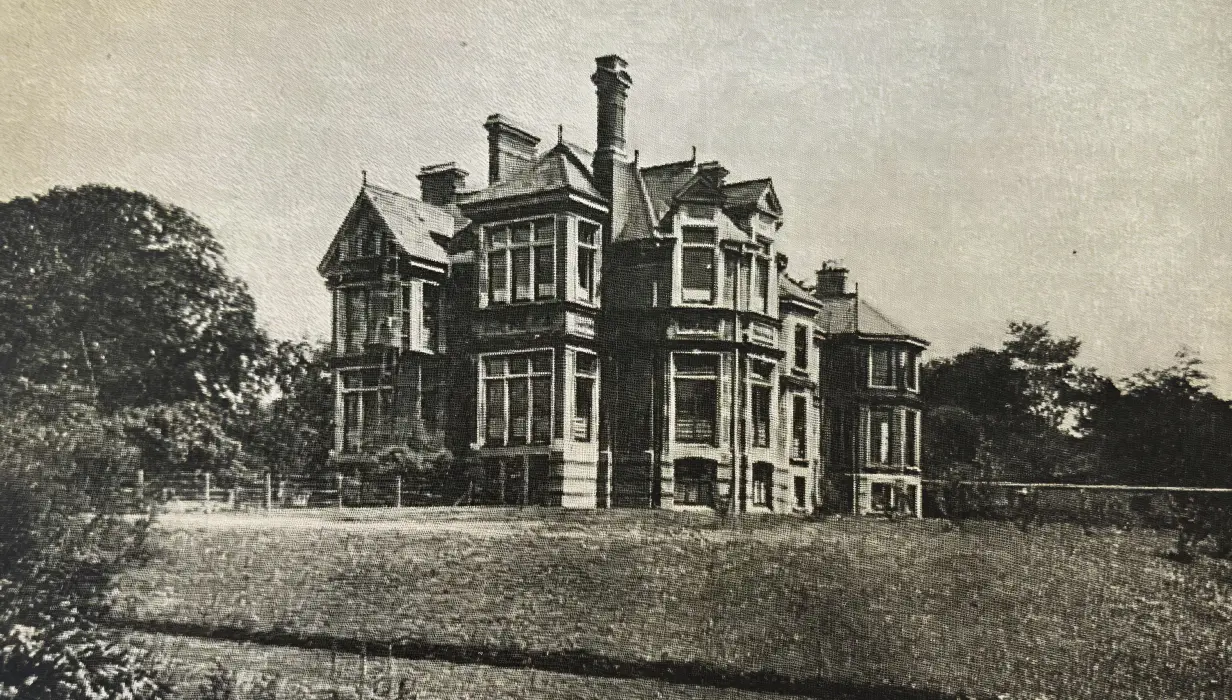
The Move to Clontarf
In 1942, the hospital moved from Merrion Street, Dublin 2 to Clontarf. This relocation from the city centre was intended to give patients:
The benefit of fresher air and more space than they had in the old buildings.
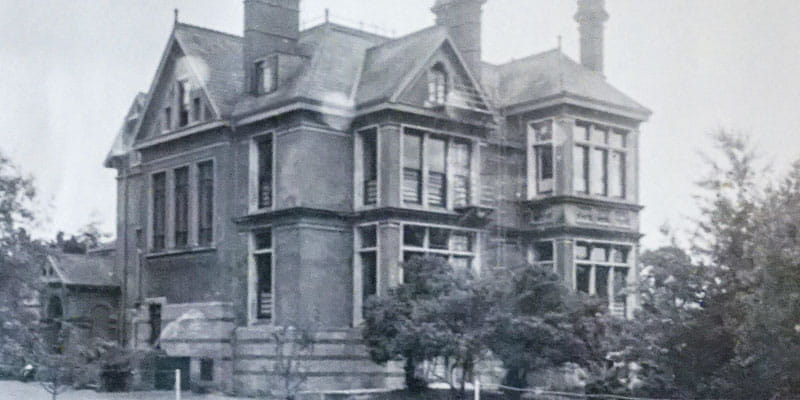
The mid-century move to Blackheath House also allowed the hospital to scale up. In the 1950s, new funding built a dedicated Nurses’ Home and expanded the gymnasium, solidifying its reputation as a centre for recovery rather than just acute surgery.
1972
The Pivot to Adult Rehabilitation
By the 1960s, better nutrition and medical advances meant fewer children suffered from the deformities of the past. In 1972, the Hospital Board made the strategic choice to pivot to adult orthopaedic rehabilitation. This eased the burden on major hospitals like the Mater and Jervis Street.
1976
Celebration of 100 years
1996
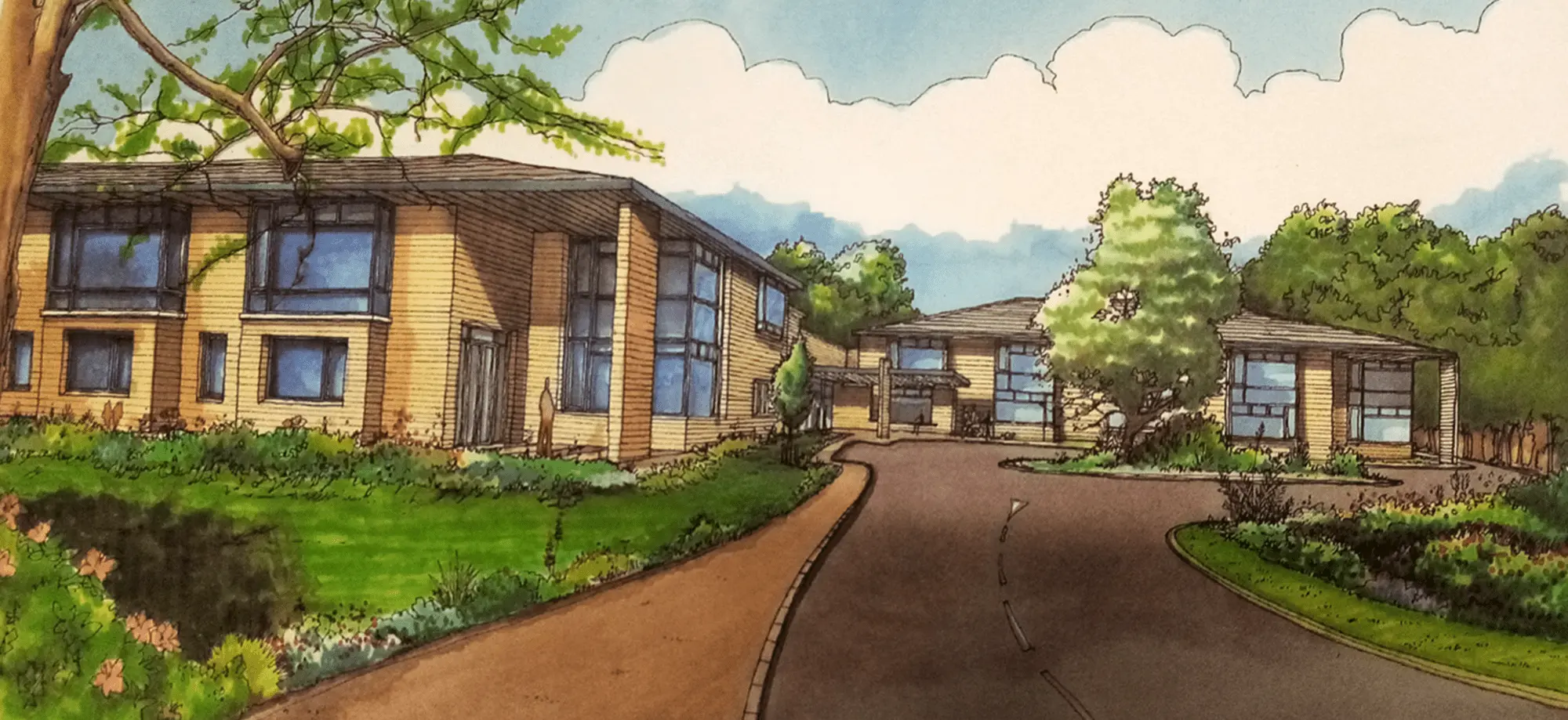
New wards built
The Gracefield Ward and Blackheath Ward were built in 1996. Further developments of the Swan Ward, Kincora Ward and Vernon Ward, in 2009, replacing the old “veranda” style wards with a modern 160-bed facility.
2011
Began trading as “Clontarf Hospital”
2014
Older Persons Rehabilitation Pathways commenced
2020
Development of Specialist Rehabilitation Unit with Beaumont Hospital
2022
Development of Integrated Care for Older Persons Pathway with the Mater Hospital
2024
Development of Specialist Rehabilitation Unit with the Mater Hospital
2026
In celebration of 150 years, the hospital is renamed “Clontarf Rehabilitation Hospital”